



When you’re planning a new trip, one of the first questions you ask yourself is what documents to take with you . Passports, visas, insurance… the list can seem endless.
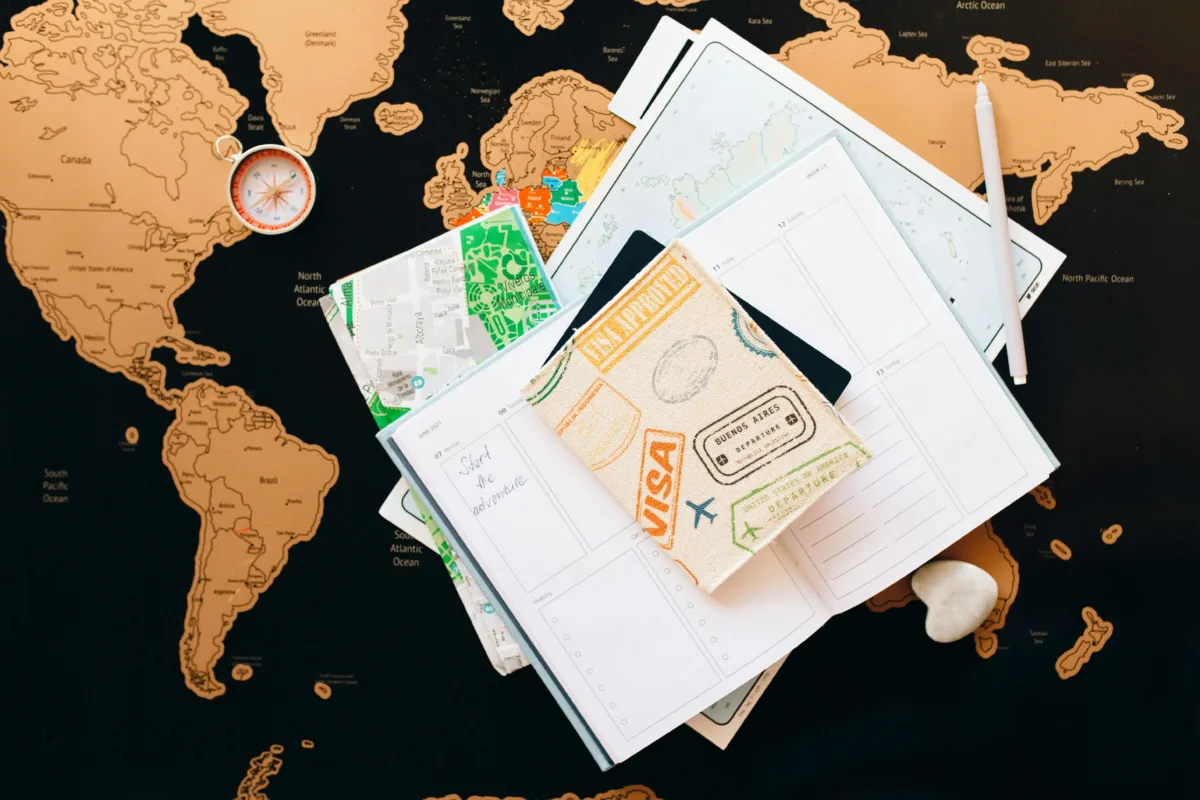
Over the years, we develop a well-oiled routine for checking formalities before each departure, especially when exploring a country we’ve never been to before.
Here, we share exactly how we go about it, step by step, so you can do the same without stress.
Understanding formalities: how to know which documents to take with you when you travel
Before even looking at flights or accommodation, we always start by checking the country’s entry formalities. This has become a reflex, because each destination imposes its own rules: passport validity, visa requirements, vaccination certificates… and these rules change regularly.
For years, we’ve systematically relied on one reliable resource to find out which formalities are really up to date: the Ministry of Foreign Affairs website.
It includes :
- entry requirements for each country
- health recommendations,
- visa requirements, and the steps to take depending on the local situation.
- zones to avoid by country (where available)

Visas and entry permits: how to find your way around
The different types of visa
This is one of the first things to take care of, because depending on the country, delays can be very long, especially if you live in the provinces and can’t go to the embassy in Paris to have your passport stamped.
Depending on the country, you may need a classic visa obtained at the embassy, an eVisa requested online, or a visa on arrival issued at the airport.
Once again, you’ll find all the information you need on the Ministry’s website in the “Entry / Stay” section, or on the website of the embassy of the country concerned. In general, just type “Embassy + [country name] + Visa” into Google.
Prepare your digital passport photos
For many visa applications, you’ll need passport-compliant photos. You can either get them from a photographer (a good option with small children), a photo booth or an online service.
➡️ You can, for example, use Passport Photo Maker software to take digital passport photos, so you can quickly obtain photos in the right format, adapted to the requirements of international visas, passports or permits.
Electronic authorizations: ESTA, ETA, eVisa…
Some countries require electronic authorization prior to boarding, or authorization for transit : ESTA for the USA, eTA for Canada, but also Australia and New Zealand. These procedures are quick, but may be refused if the information or photos transmitted do not comply with the required formats. We always anticipate these requests at least 72 hours before departure.
Identity documents
This is the second point to check, and we recommend that you take the necessary steps 2 to 3 months before you leave.
Identity card: when is it enough?
To travel within the European Union and the Schengen area, an ID card is all you need, for example to travel to Spain, Italy, the Netherlands, Portugal, Greece… For our tour of Southern Europe, we were able to travel with just our ID card, which gave us a great deal of peace of mind.
Bear in mind that some countries accept expired cards under certain conditions, but to be on the safe side, always travel with an up-to-date card.
Passport: validity, deadlines and points to watch out for
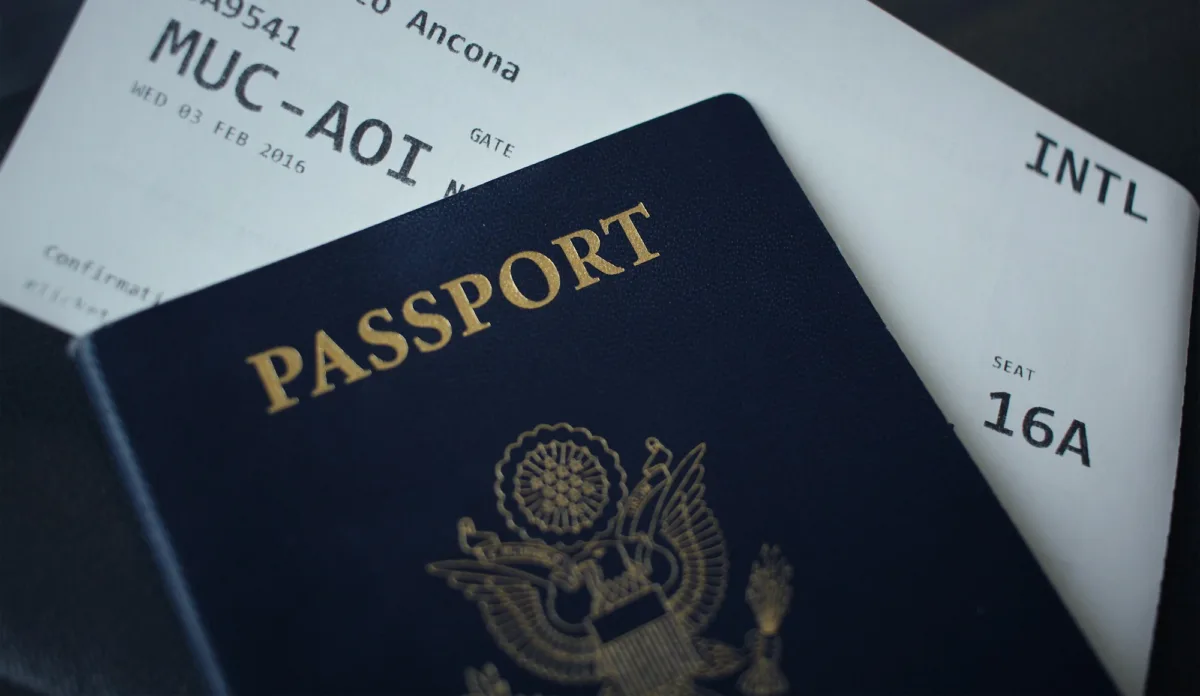
The passport remains the most crucial document when traveling outside Europe and sometimes within Europe, as in the UK. Always check the remaining validity, as many countries require it to be valid for six months after the date of return. You should also check the number of blank pages and the general condition of the passport. A damaged passport may be refused, which happens more often than you might think. If you need to renew your passport, make sure you do so at least two months in advance, especially during the summer months when waiting times are longer.
Health and insurance: essential medical documents
Vaccinations, medical certificates and health requirements
Depending on your destination, mandatory or recommended vaccinations may be required. Check your vaccination booklet for up-to-date booster shots, and specific certificates such as yellow fever for certain African and Latin American countries. Official recommendations are available on diplomatie.gouv.fr, so you can organize your medical appointments in good time.
For our round-the-world trip, we went straight to the Institut Pasteur in Paris. At our first appointment, the doctor gave us a full list of the vaccines required and recommended for the countries we were planning to visit.
Travel insurance
You should always take your travel insurance certificate with you, along with the 24/7 assistance number and the guarantees covered. Some destinations require it to issue a visa. Even when it’s not compulsory, we prefer to travel with peace of mind: a simple broken leg can cost a fortune abroad. If you’re planning a long trip, find out more about our advice and tips for choosing your health insurance.
How to organize your documents for worry-free travel
Checklist of documents to check before departure
Identity documents :
- Valid passport (at least 6 months after return date if necessary)
- Identity card valid for certain European countries
- Recent passport photos or ready-to-use digital passport photos
Entry documents :
- Printed visa or downloaded eVisa
- Electronic authorizations (ESTA, eTA…)
Health documents :
- Vaccination record (or digital vaccination certificate)
- Medical certificates required by the country (e.g. yellow fever)
- Travel insurance certificate
Transport and accommodation :
- Plane, train or bus tickets
- Hotel or accommodation reservations
- Proof of internal transport (domestic flights, ferries, etc.)
Financial documents :
- Valid credit card
- Proof of means (if required by the country)
Driving and family travel :
- Driver’s license
- International permits
- Family record book (especially if you’re traveling with your child, who bears your spouse’s surname and you’re not married)
- Authorization to leave the country for minors

Paper and digital versions
We always travel with a copy of all our documents:
- Paper version: in a travel pouch, stowed in the cabin bag
- Digital version: in the phone, but also in a cloud (Google Drive, iCloud or Dropbox)
Why both?
Because a paper version is essential for checks, and a digital version means you can find everything again, even if it’s lost or stolen. Having both formats means you can handle any unforeseen event without stress.
The day before departure, we quickly go over everything. We check that documents are accessible, that digital versions can be downloaded offline, and that reservations have been made. It’s a simple routine, but it makes all the difference when it’s time to embark.




0 commentaires