



Should you visit Uppsala and Sigtuna during a trip to Sweden? We recommend setting aside one day of your stay in Stockholm to visit these two cities located north of the capital. Located about 35 km apart, they offer a chance to discover two complementary sides of Sweden: the wooden streets and runestones of Sigtuna, and the cathedral, university, and gardens of Uppsala.
In this guide, we share our itinerary for visiting both cities in a single day, the must-see sights in Sigtuna and Uppsala, our top picks, and the various ways to get there from Stockholm.

Where are Uppsala and Sigtuna located?
Sigtuna is located about 50 km northwest of Stockholm, on the shores of Lake Mälaren, and about 15 km from Stockholm-Arlanda Airport. Uppsala is located about 35 km north of Sigtuna. The road between the two cities winds through pleasant Swedish countryside and usually takes about 30 minutes to drive, depending on traffic.
How much time should I set aside to visit Uppsala and Sigtuna?
If you’d like to explore the area around Stockholm, we recommend setting aside a full day to visit both cities. We spent about 2 hours in Sigtuna and 3 hours in Uppsala, including a lunch break. Allow extra time if you’d like to visit the Gamla Uppsala Museum, explore the greenhouses at the botanical garden, or spend more time in downtown Uppsala.
If you have a car, it’s easy to visit Sigtuna, Uppsala, and Gamla Uppsala in a single day. If you’re using public transportation, check the connections before you leave and allow for extra time.
Where to stay in Uppsala?
If you’d like to spend the night in the area, we recommend staying in Uppsala instead. The city offers a wider range of accommodations than Sigtuna and allows you to enjoy the city center at the end of the day, once the visitors have headed back to Stockholm.

What to see and do in Sigtuna
Sigtuna is considered Sweden’s first city. It was founded around the year 980, and its history has since been marked by several instances of destruction and fires. Today, its small town center features colorful wooden houses, the ruins of medieval churches, and numerous runestones.
Many parking spaces are free but have time limits. Always check the signs on site and use a parking disc when required. We stayed for about 2 hours and had plenty of time to explore the downtown area on foot.


The walk is short but very pleasant. Here are the must-see spots in Sigtuna:
- Stora Gatan: The main street is lined with charming little shops and colorful wooden houses.
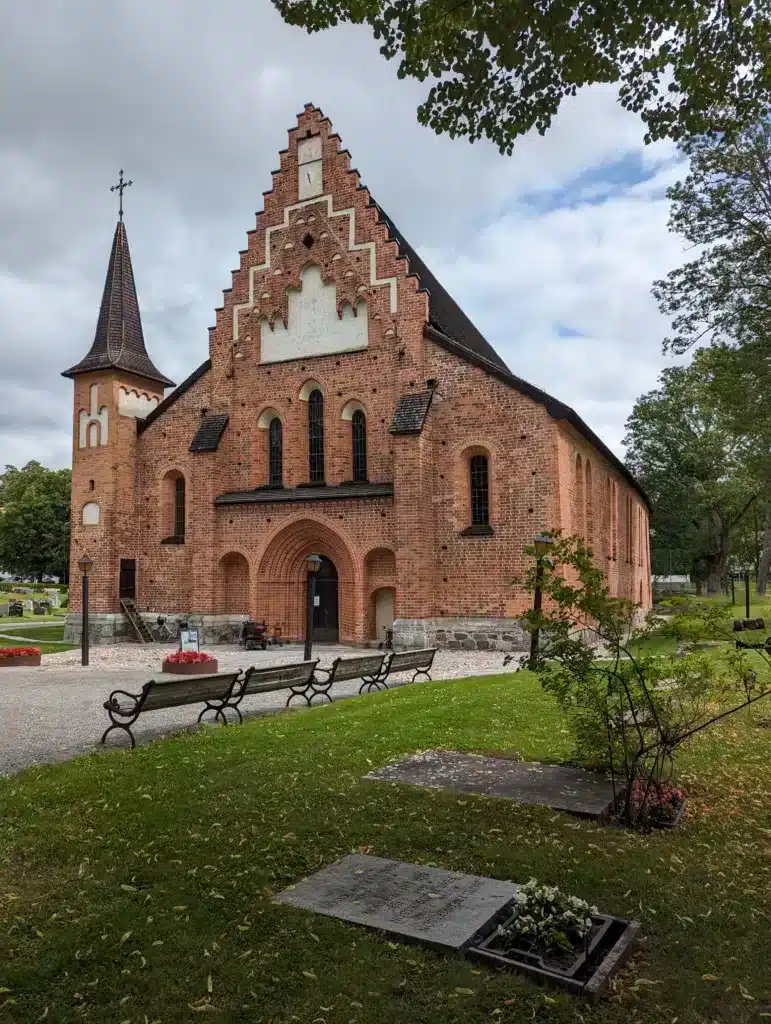
- Mariakyrkan Church: This brick church dates back to the 13th century. We even got to enjoy a short organ concert. There’s a small table for drawing set up for children at the entrance.
- The ruins of the churches of Sankt Per, Sankt Lars, and Sankt Olof: these medieval ruins are set in lush greenery, surrounded by fruit trees. We love Sweden because nature is still very much a part of everyday life, even in the city.
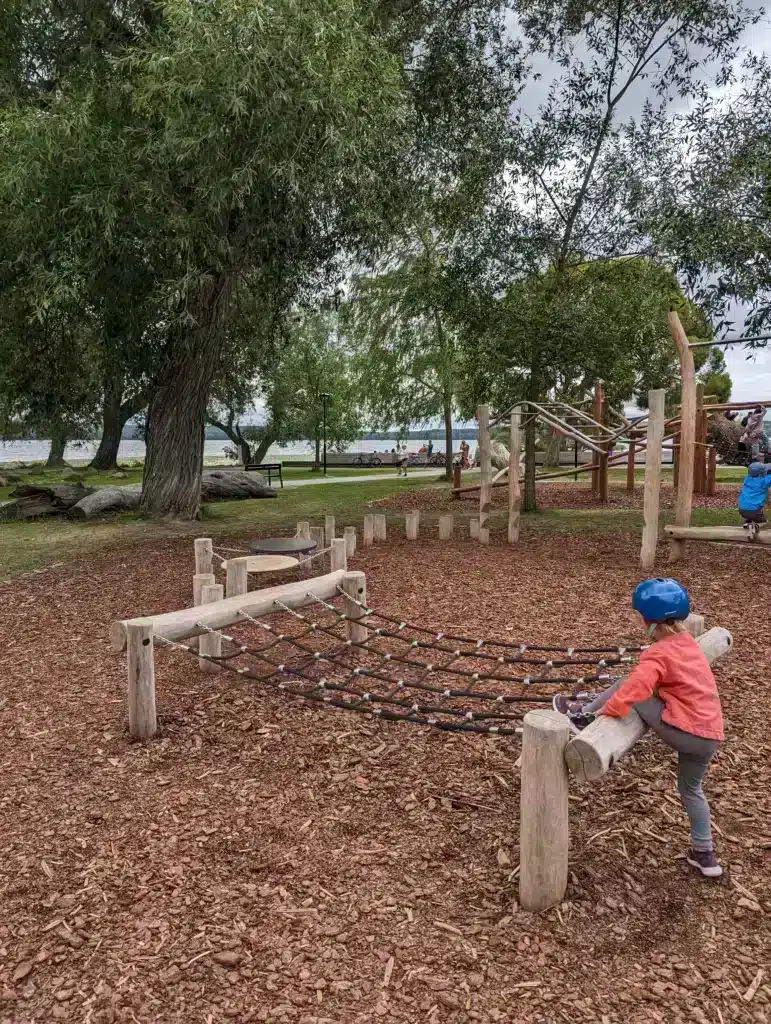
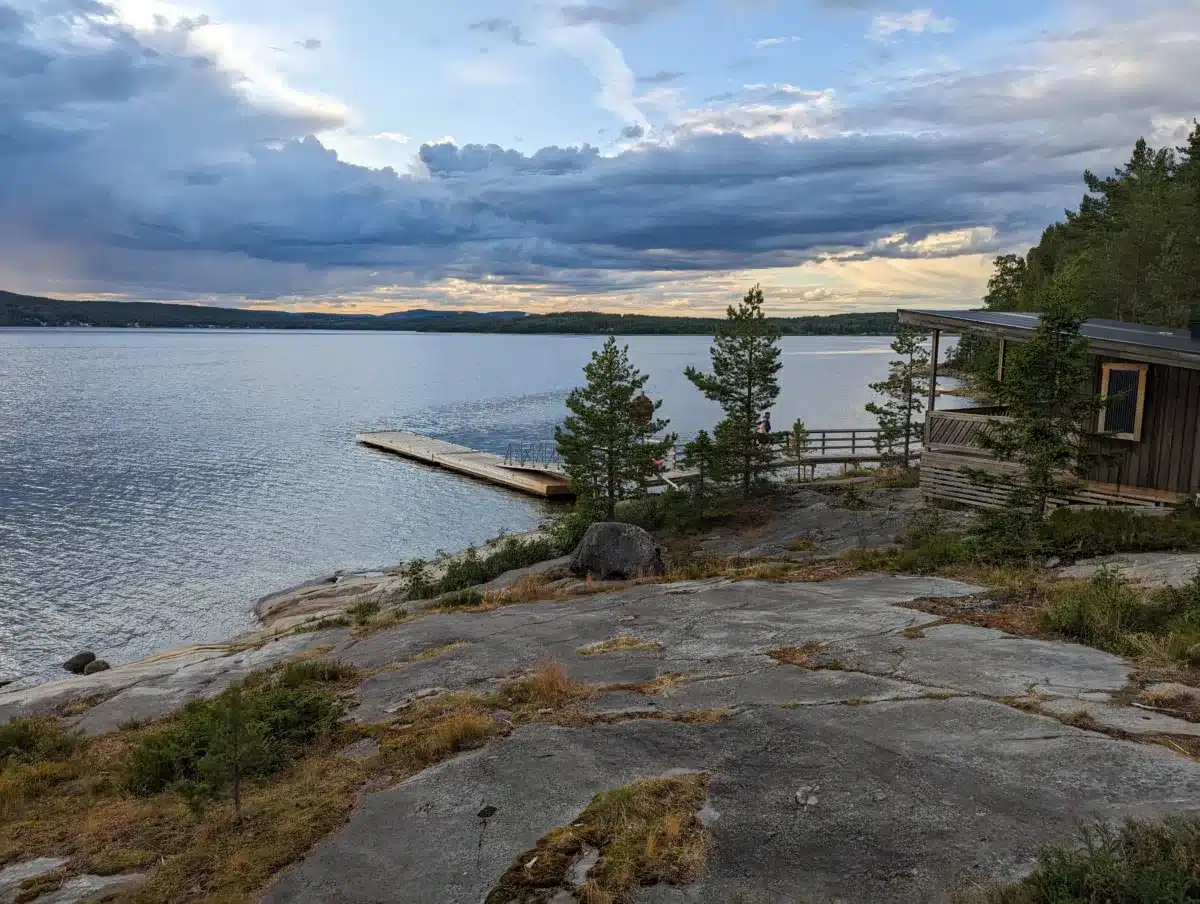
- A stroll along Lake Mälaren: the wooden docks and benches facing the lake provide the perfect setting for a break. There’s also a playground where kids can let off some steam. We ate a sandwich there, then enjoyed a delicious cinnamon roll from Kristers Hantverksbageri bakery.
- Runic stones: Sigtuna is one of the places in the world with the highest concentration of them. They bear inscriptions, often carved in memory of the deceased. A map is available at the tourist office, located in the Sigtuna Museum at 55 Stora Gatan.



What to see and do in central Uppsala?
Uppsala is Sweden’s fourth-largest city and one of the country’s leading college towns. As is often the case in Swedish cities, the downtown area is tree-lined and peaceful. We immediately felt at home there. We could easily have imagined ourselves as Erasmus students here, even though we’re really past that age now!
Here is the route we took during our walking tour of Uppsala, which was about 2 km round trip. During our visit, we parked in one of the university’s parking lots. Parking is metered in much of the city center, so be sure to check the rates and hours posted on-site.


- Uppsala Castle: Climb up to the castle grounds, which overlook the city. You can get a close-up view of its pink facade and enjoy a lovely view near the cannons. Access to the outdoor areas is free, while the museums inside the castle have their own hours.
- The Botanical Garden: Continue on to the garden located just below. A stroll through the outdoor areas is free, and the garden is open year-round. The Orangery and the Tropical Greenhouse have more limited hours, and there is an admission fee to enter the Tropical Greenhouse. Be sure to check the hours if you plan to visit these buildings.
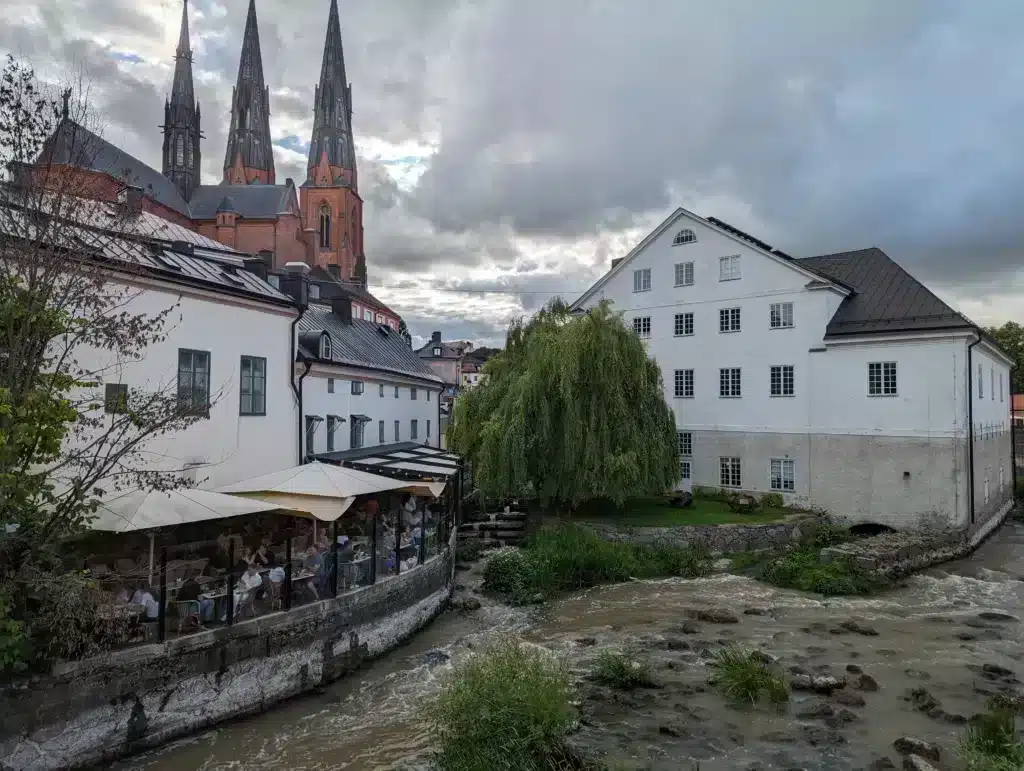
- Uppsala Cathedral: Its spires rise to a height of 118.7 meters, making it the tallest church in the Nordic region. Admission to the cathedral is free, and the building is generally open daily from 8 a.m. to 6 p.m., except during ceremonies or special events. There is an admission fee to visit the Treasury.
- Downtown and the Fyris River: wrap up your tour by heading down toward downtown, with its canals and terraces. It’s easy to imagine the atmosphere here during the academic year. For lunch, we tried Khao Soi by Jane. It’s not local cuisine, but our two pad thais were well-seasoned, and the place offered a reasonably priced lunch.


Gamla Uppsala and its royal burial mounds
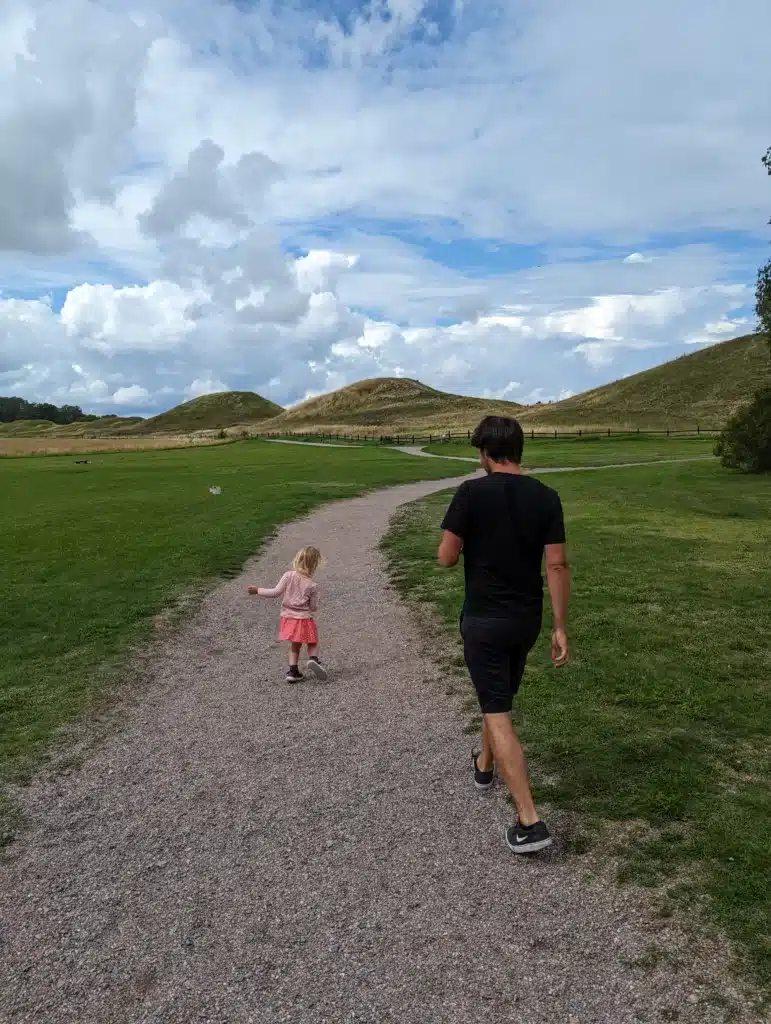
Gamla Uppsala, or Old Uppsala, is located about 6 km north of downtown. Free parking is available about 100 meters from the museum. The site is one of Sweden’s most important archaeological complexes: the large burial mounds, built in the 6th century, are believed to be the burial sites of members of the ruling elite of the Iron Age.
The hills stand out clearly against the Swedish countryside. A public trail allows visitors to walk around them and reach the old church in Uppsala. The Gamla Uppsala Museum rounds out the walk nicely with archaeological artifacts and an exhibition dedicated to the site’s history.
- Museum hours: Wednesday through Sunday from 12 p.m. to 4 p.m., October through April; then daily from 11 a.m. to 5 p.m., May through September.
- 2026 Prices: 150 SEK per adult, 120 SEK for students and seniors, free for those 19 and under.
- Access to the burial mounds: free and available at any time.


How do I get to Sigtuna and Uppsala from Stockholm?
- By car: This is the easiest way to visit Sigtuna, Uppsala, and Gamla Uppsala in a single day. From Stockholm, head first to Sigtuna, then to Uppsala. You can rent a car in the city or at Arlanda Airport and then continue exploring the Swedish countryside.
- By public transportation: Trains run regularly between Stockholm Central Station and Uppsala Central Station. To get to Sigtuna from Stockholm, the journey usually involves a stop at Märsta Station, followed by a bus ride. Between Sigtuna and Uppsala, a regional train service runs via Knivsta. Routes and schedules vary depending on the time of year, so be sure to check your itinerary on the day of departure using the SL and UL apps.
- On an organized tour: Several tours departing from Stockholm include stops at Sigtuna, Gamla Uppsala, Uppsala Cathedral, and other sites related to Viking history. This is a convenient option if you don’t want to rent a car and would like to benefit from a guide’s explanations.
We hope you have a wonderful trip to Sweden! Feel free to leave us a quick note or a 5-star rating below to let us know if you’re planning this excursion. You can also ask any questions you have here or on Instagram—we’ll be happy to answer them.


0 commentaires