



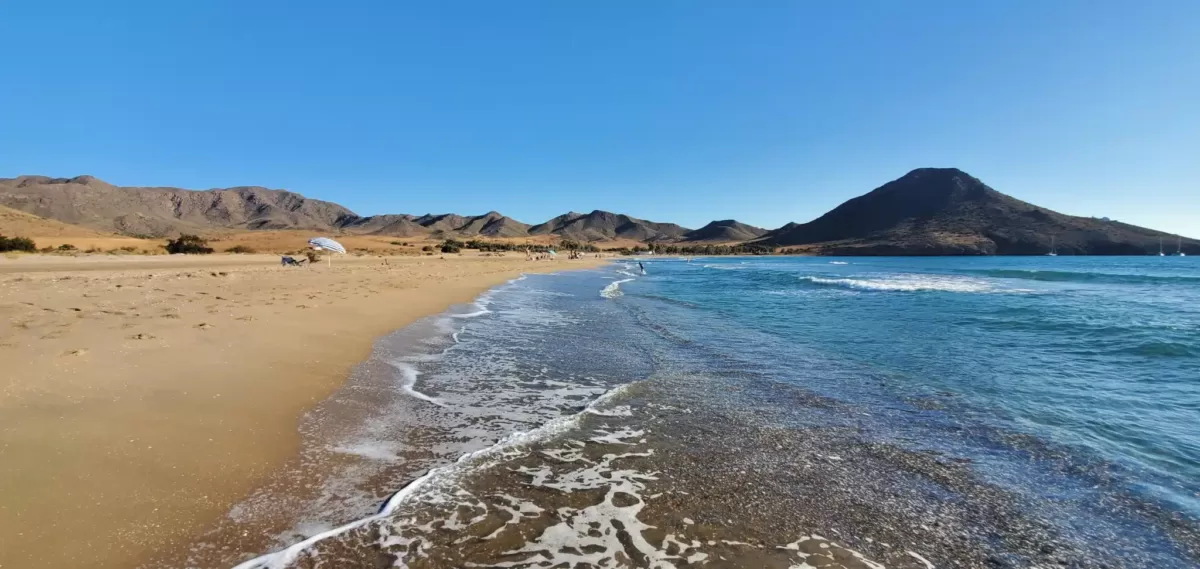
The natural park of Cabo deGata-Níjar is located in Andalusia east of Almeria. It is a natural reserve, classified by UNESCO, which occupies 38,000 hectares of land and 12,000 hectares of sea.
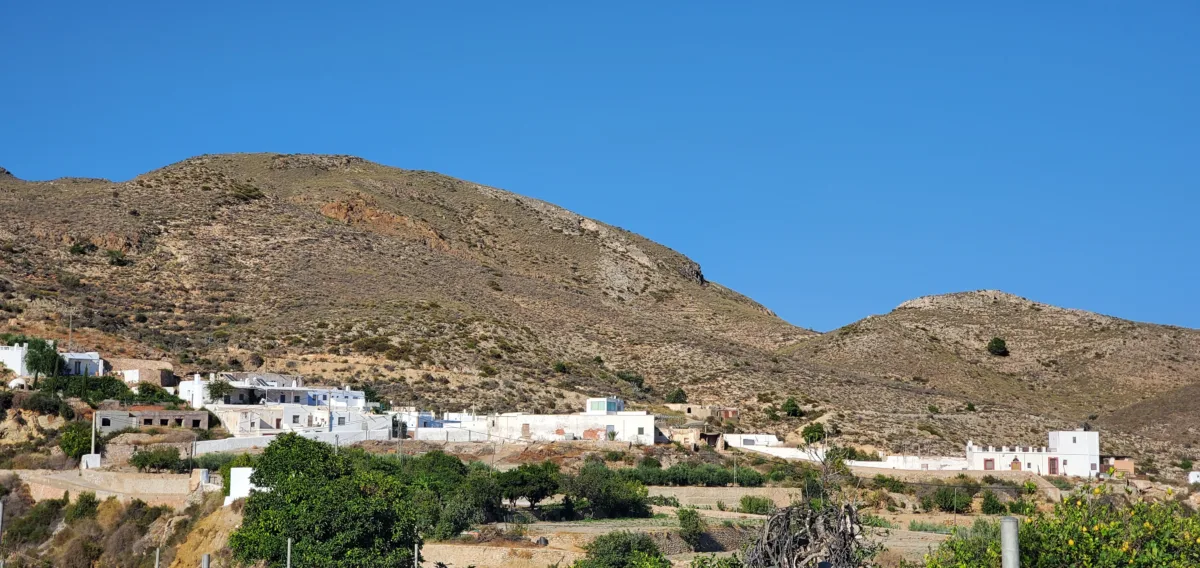
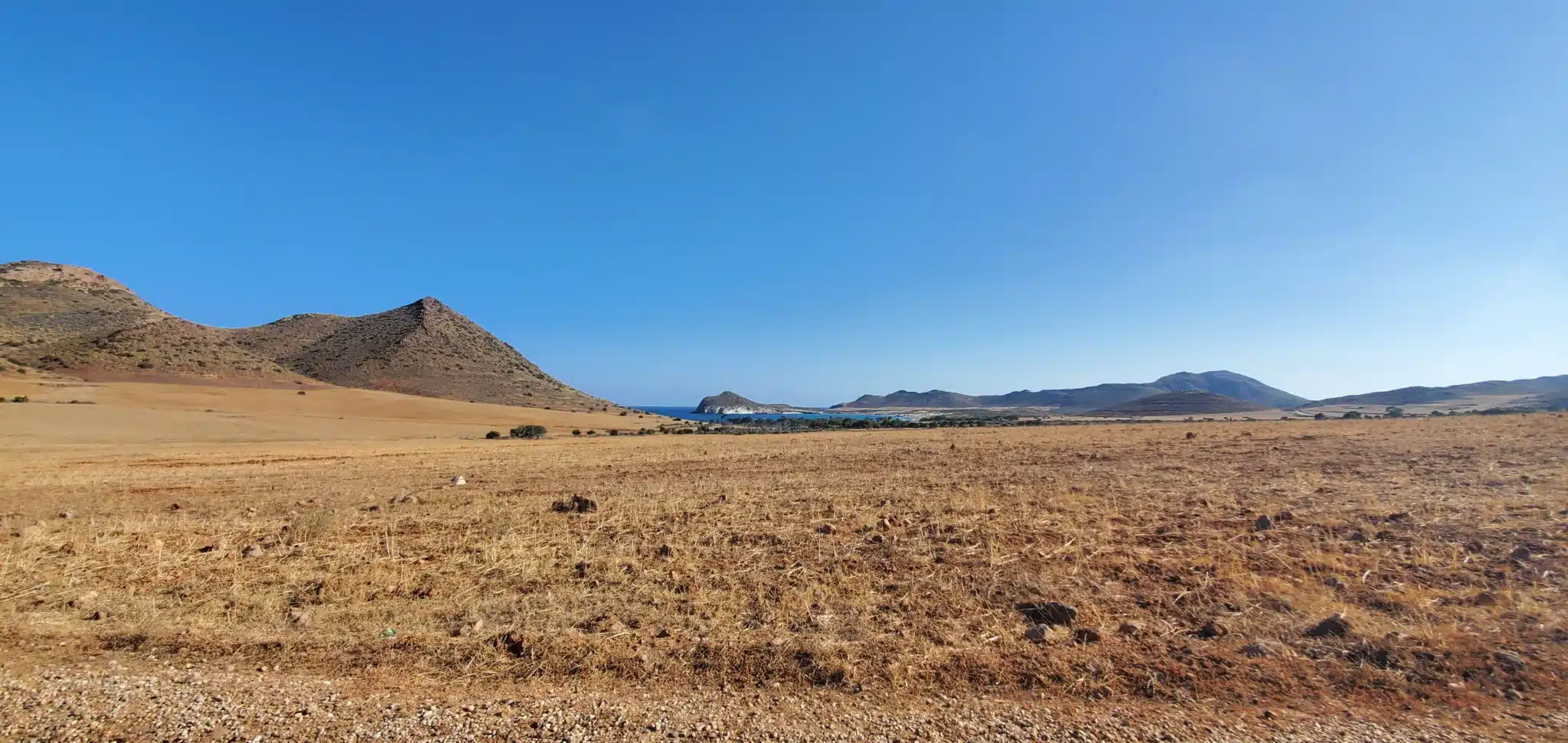
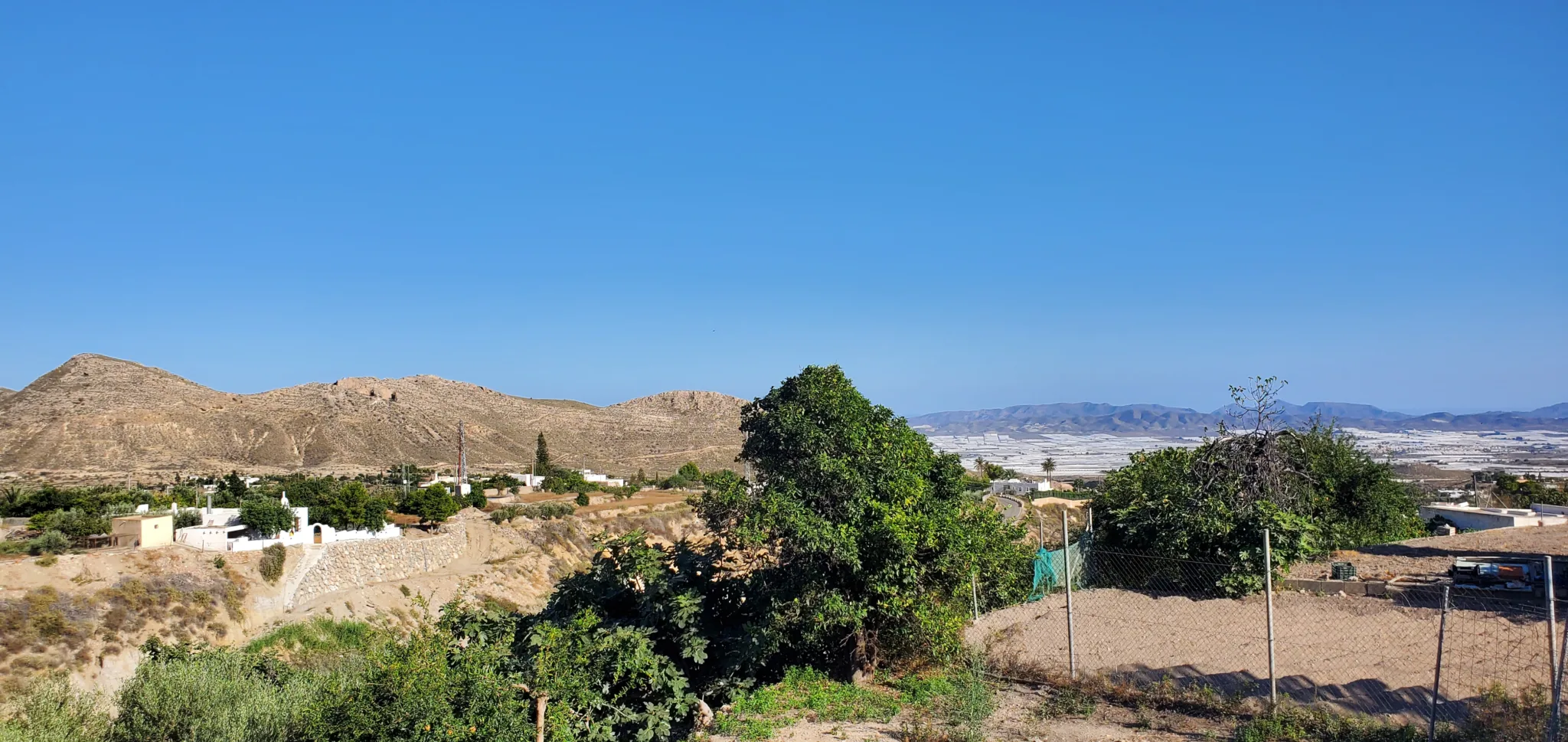
As soon as we arrived in the park, we were immediately seduced by the beauty of the arid landscapes, surrounded by mountains which shelter some small villages with whitewashed houses, typical of Andalusia.
This park was recommended to us by an Italian couple who regularly come here to enjoy its beautiful beaches, indeed here, the Mediterranean coast, completely wild, is sublime. The beaches and small coves are bordered by crystal clear water.
We share with you, below, how to get to Cabo de Gato-Níjar and what to do and see in the park. We have also grouped all our good addresses on our map at the end of the article.
Where is Cabo de Gata located?
Cabo de Gata-Níjar is located in Andalusia, 30 minutes east of Almeria, in one of Europe’s sunniest regions.
This park is one of the few untouched areas of Spain’s Mediterranean coastline, and you can imagine that the area must have been incredibly beautiful before all the seaside towns were built. With about 50,000
What to see and do in Cabo de Gata?
We recommend devoting a day or two to exploring this park.
➡️ If you only have 1 day, concentrate on the points of interest around the village of San José. This area offers great hiking trails and the most beautiful beaches. You can also enjoy water activities such as diving, boat or canoe tours. You can also explore the nearby salt marshes.
➡️ If you have two days, you can add the villages of Nijar and Rodalquilar.
Heavenly beaches
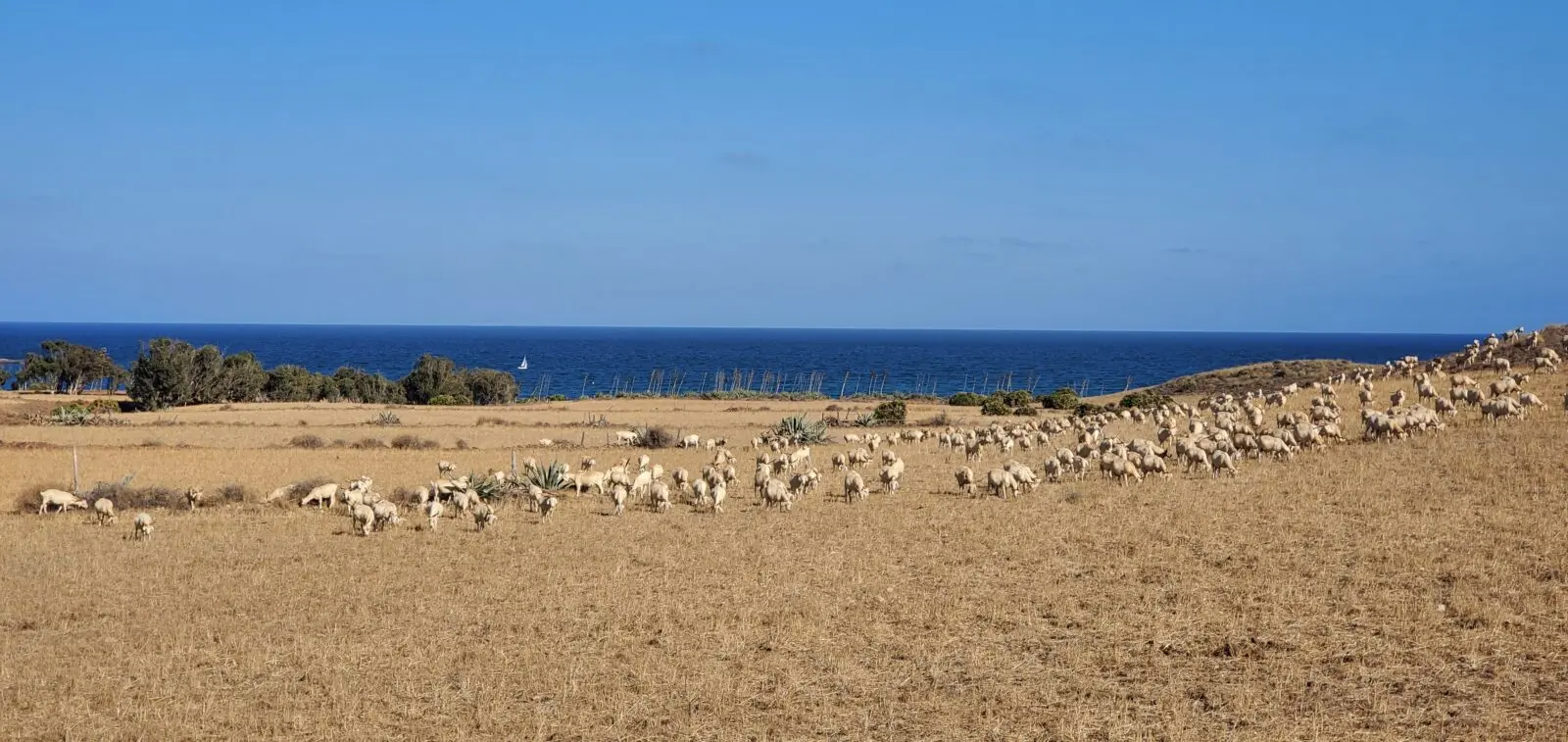
The park is best known for its incredible beaches. Indeed, there is level, fine sandy beaches, crystal clear water, in an environment with the appearance of a desert, in short a guaranteed change of scenery.
We had planned to spend the morning at Mónsul beach, unfortunately when we arrived at 10am on the first weekend of September, it was no longer accessible, as the number of parking spaces is limited in order to regulate access to the beach. Once the parking lot is full, access is only possible on foot or by bus.
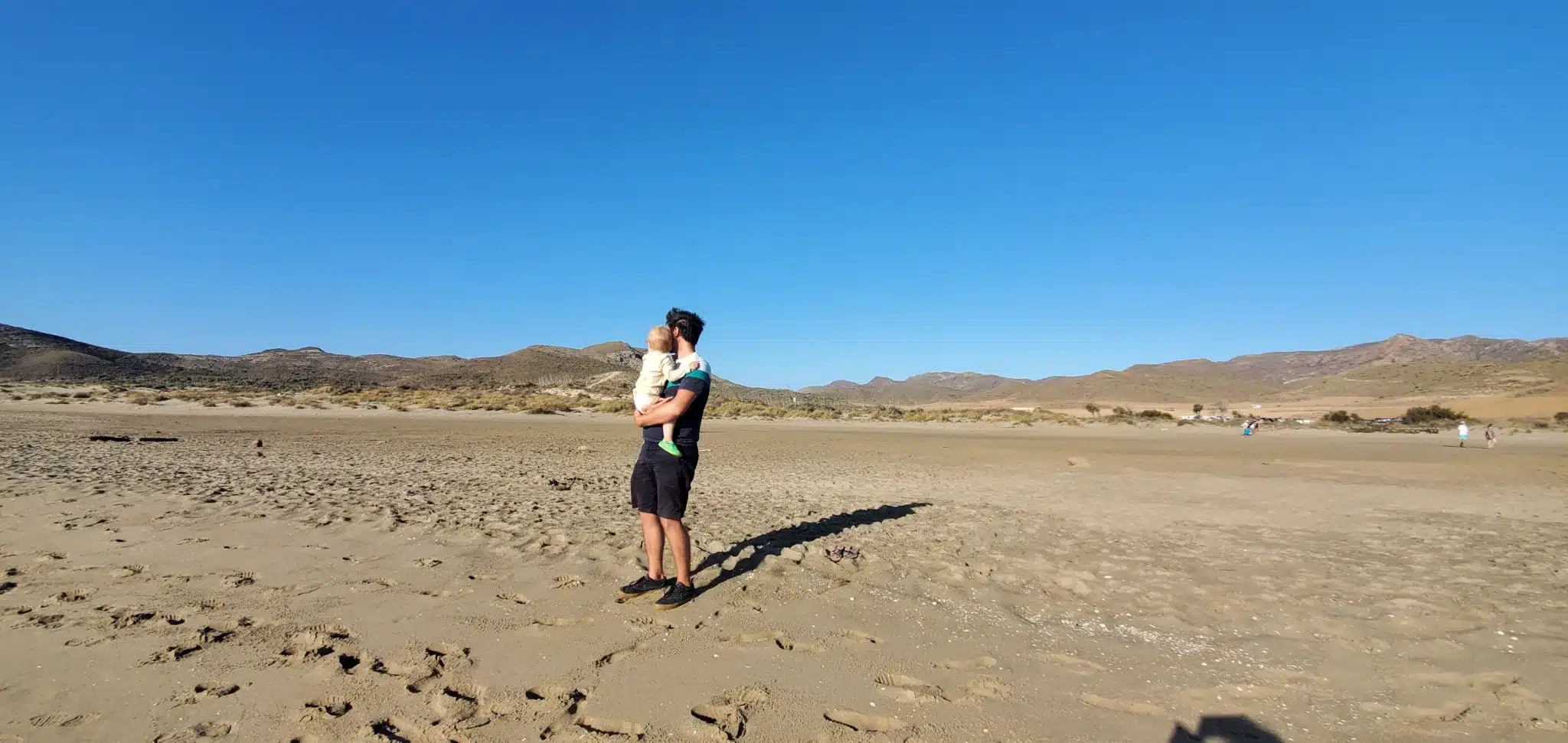
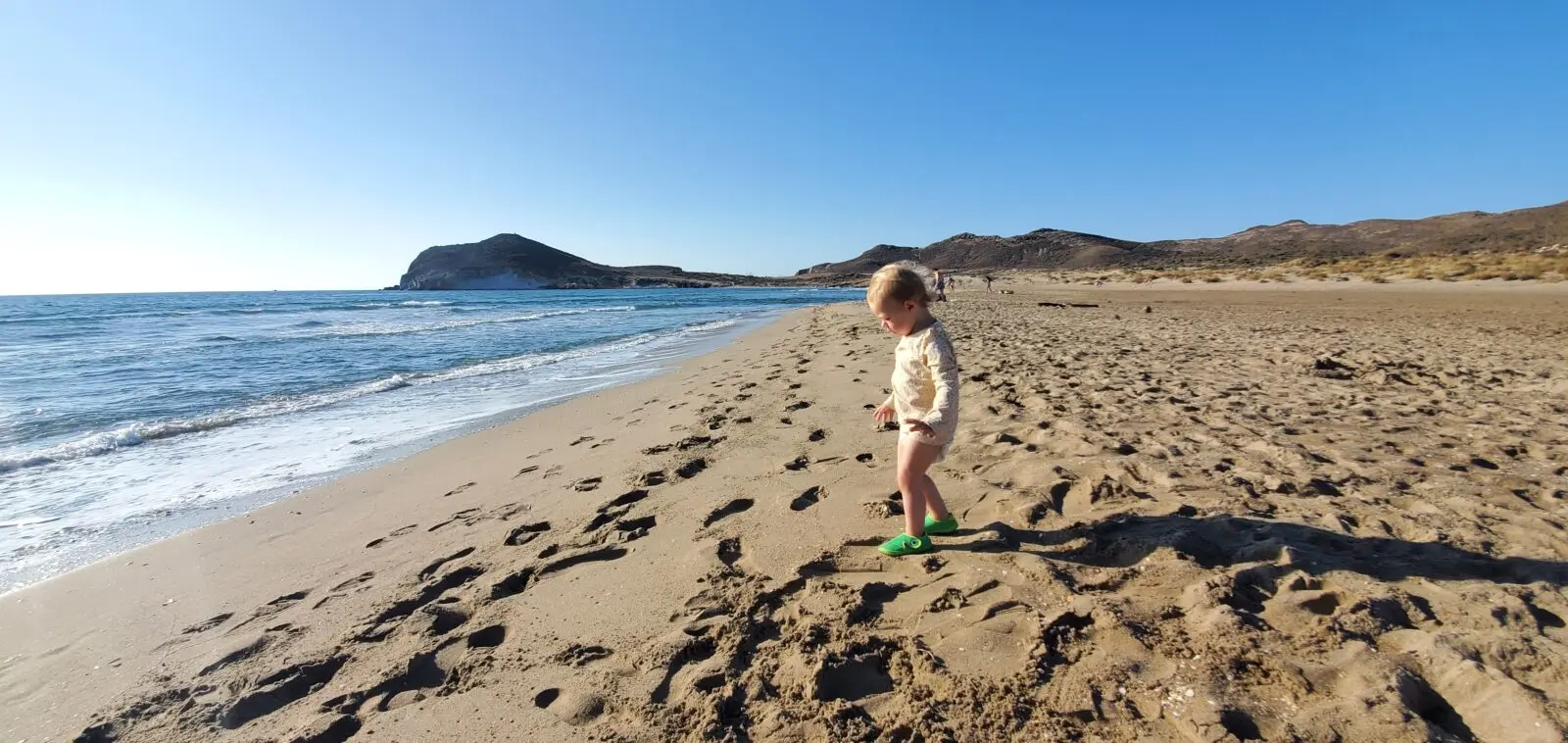
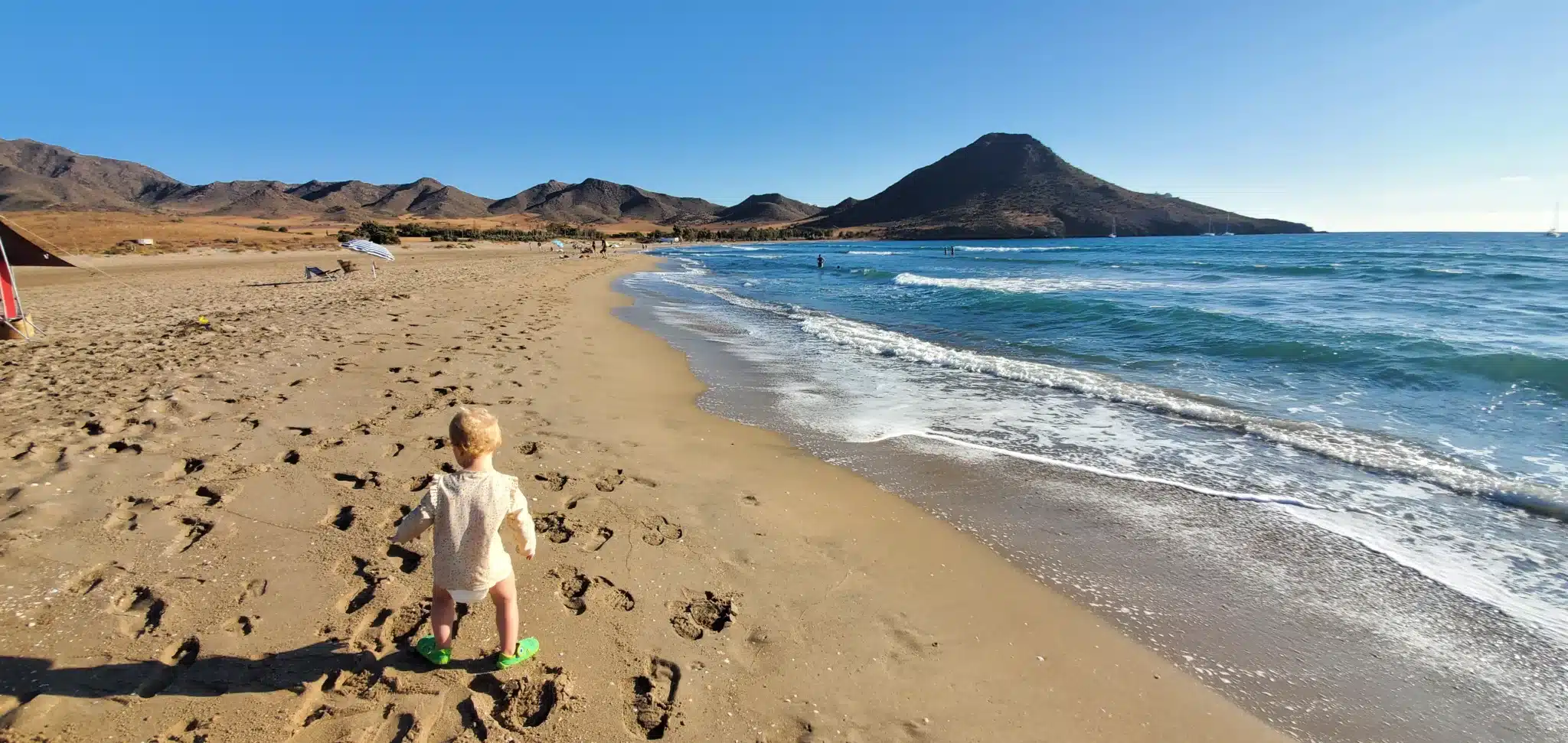
So we stopped just before at the beach of Los Genoveses, which looks like the beach of Mónsul and is therefore just as beautiful. It is directly included in our ranking of the most beautiful beaches in the world. The water was 27 degrees (yes, we took our daughter’s bath thermometer with us to check), a real pleasure to swim in such a setting.
It’s a big beach so even in September we didn’t feel crowded (parking 5€ a day).
🌟 There are several options for exploring the park and beaches from the sea:
- 🛶 Info and booking for a kayak and snorkeling excursion in the natural park
- ⛵ Info and booking for a cruise to explore the park’s best beaches in French
Picturesque villages
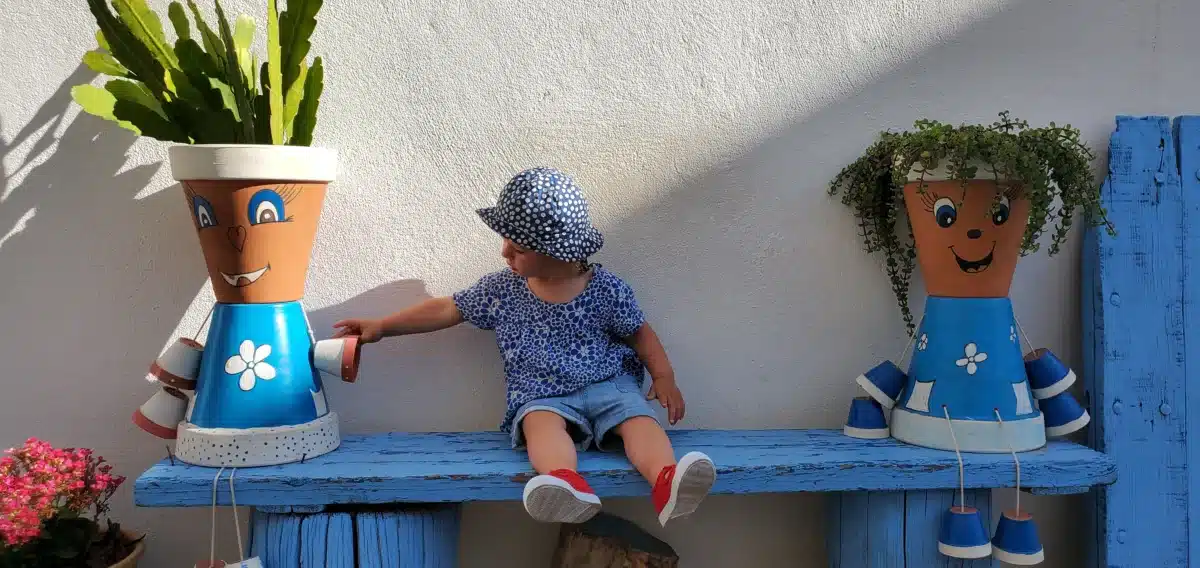
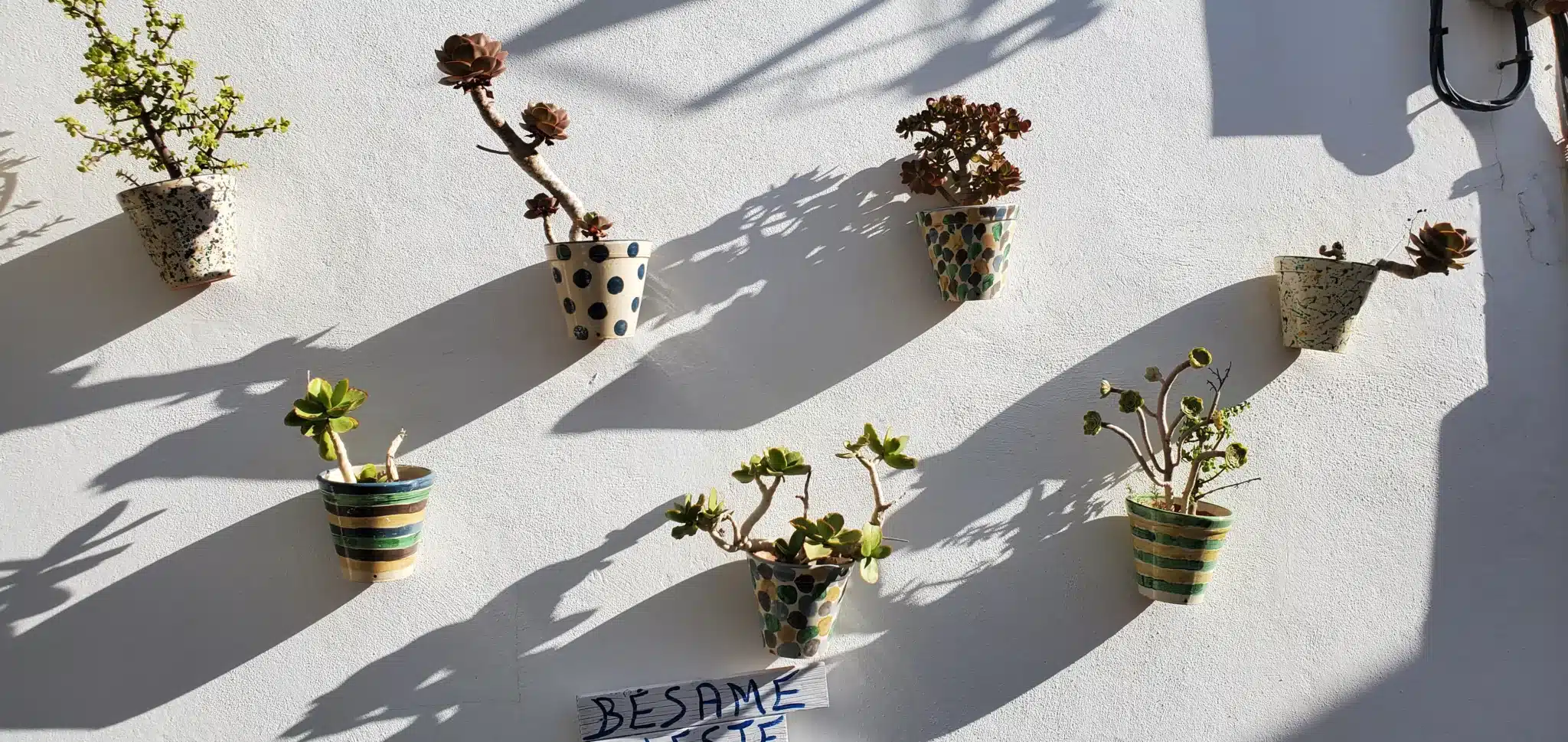
- Níjar : Perched on the hillside at the entrance to the park, this is a typical Andalusian village with its small whitewashed houses. We loved strolling through the narrow white-washed streets around Plaza la Glorieta. Here, cacti reign supreme; every house has its own decorated pot holding a small plant. We had a lot of fun taking pictures of them.
We took the opportunity to pick up some information about the park at thetourist officenext to the church. Small anecdote, the person recommended us a wild beach in the north of the park with a view on the Lafarge factory, thank you no thank you, always think to check the information even when they seem reliable… The village is famous for its ceramics, many stores (a little too touristy for our taste) sell pottery from the region. - San José: is an old fishing village, its location is ideal, because just next to the beach of Los Genovese, a hiking trail along the coastline can reach the beach of Los Genovese and then that of
Mónsul
. This is where most of the hotels and guesthouses are located, as well as bars and restaurants.
- Rodalquilar : this small village is not located on the coast, but in the heart of the valley, surrounded by mountains, which gives it a small air of end of the world.
The salt marshes
We stopped in the village of Cabo de Gata to explore the salt marshes. As the site is still in use, it is not possible to enter. We walked along the salt water, small observatories have been installed to observe flamingos in the distance, we advise you to come with your binoculars.
Shooting locations
A bit of culture, while looking for information on the park we read that many movies were shot in this incredible setting, including of course westerns. Here are a few that we have noted below:
- Monsul Beach: scenes shot for Indiana Jones and the last crusade of Steven Spielberg
- Playa de las Salinas : scenes shot for the series Casa del Papel (Netflix series)
- Village Los Albaricoques (at the gates of the national park), it is an open-air museum since the locations of the scenes are indicated with explanatory panels with photos of shooting of the following films: For a Fistful of Dollars and And for a few dollars more with Clint Eastwood
How do I get there?
By car
To explore the Cabo de Gata natural parkNíjar we recommend renting a car (approx. €40 per day in September) so you can stop off at the various points of interest.
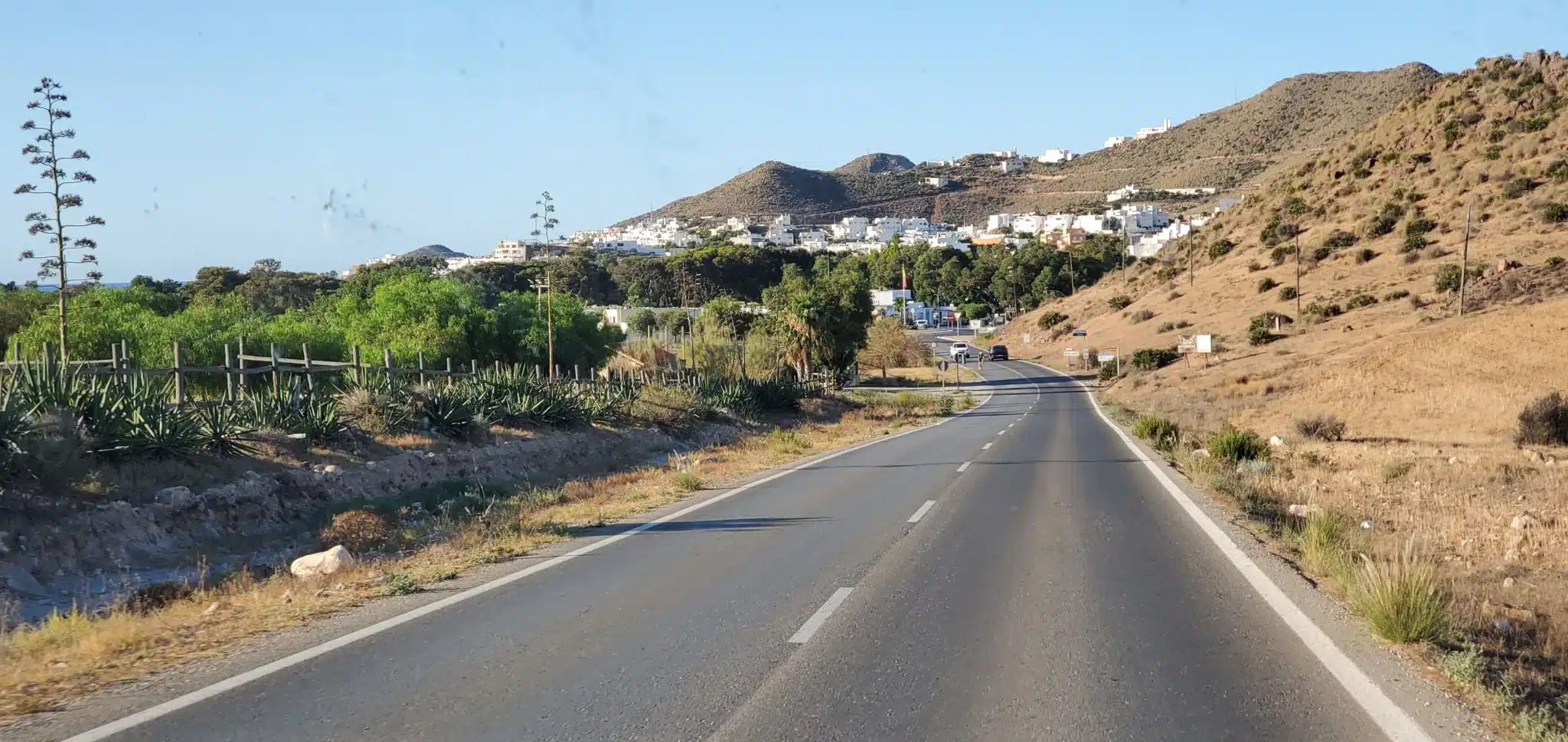
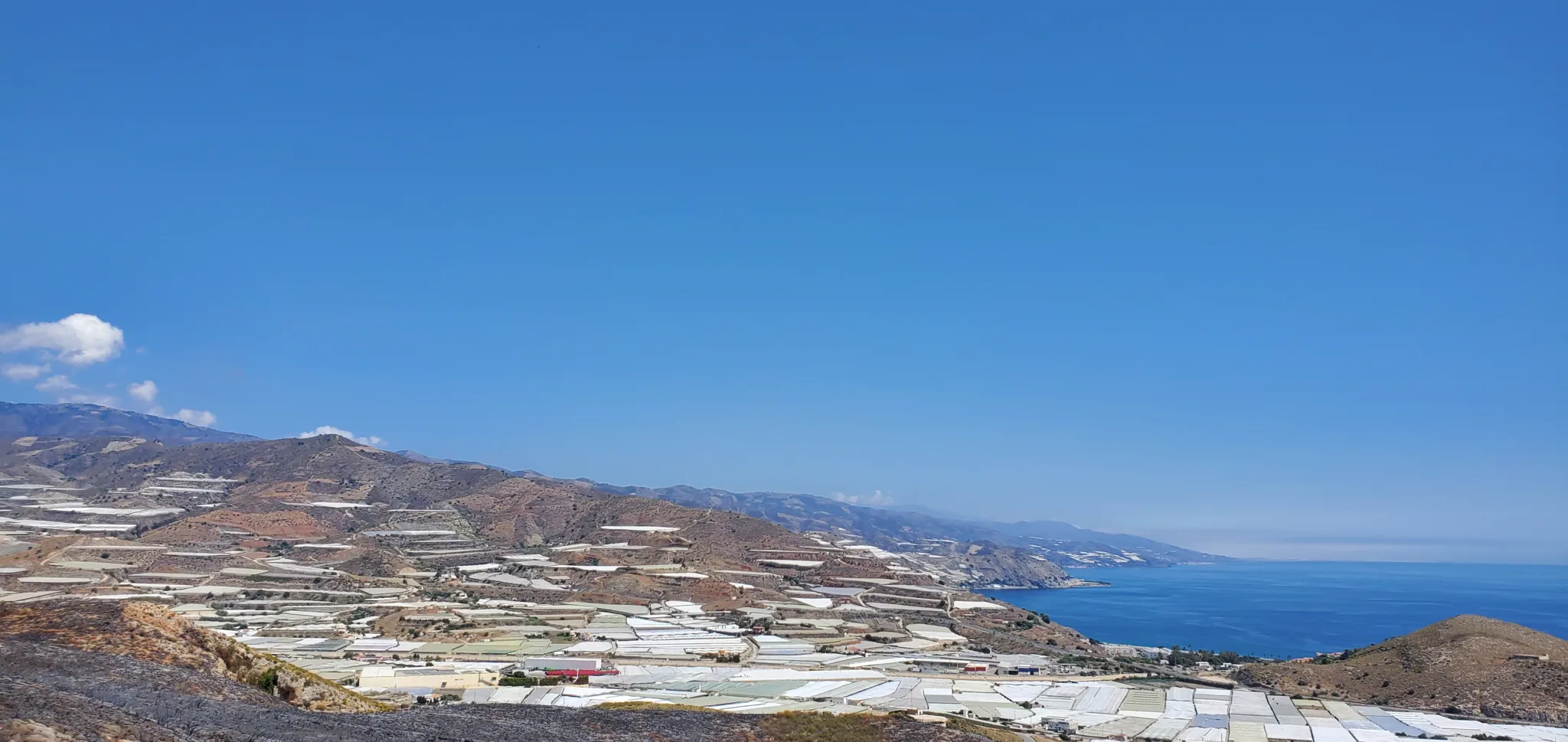
The highway that connects the city ofAlmeria to the natural park of Cabo de Gata, in 30 minutes, is in very good condition. As explained below, the view is a bit spoiled by the thousands of greenhouses.
Once in the park, the greenhouses disappear, giving way to beautiful desert landscapes and the coastal road offers nice views of the beaches and coves along the coast.
Take an excursion from Almeria or Aguadulce
From Almeria or Aguadulce, you can book tickets for a day with transport and several stops at the park’s various points of interest, plus free time for a swim.
Where to sleep?
There are few housing options in the park. We advise you to book your accommodation as early as possible in order to have the widest choice and the best hotels. The village of San Jose is a nice place to stay, to fully enjoy the atmosphere of the park or in Almeria at 30 minutes by car.
Our favorite: Doña Pakyta, in San José, a small hotel ideally located, with direct access to a small beach and 2 minutes from restaurants (with parking).
With swimming pool: Cortijo El Sotillo, in San José, just outside town, a magnificent location in the heart of nature, with a lovely swimming pool.
Our map of Cabo de Gata-Níjar
A special environment
We will not hide it from you, we were surprised by theenvironment around this natural park. From Almeria, we crossed several kilometers of farmland covered with plastic sheeting, which completely distorts the landscape.
After reading some articles, it turns out that the region lives mainly from intensive agriculture and that it feeds a large part of Europe. With 35,000 hectares, it is today the largest expanse of greenhouses in the world, its little nickname:“The sea of plastic“, that means everything. There you go, don’t look any further for the origin of the winter tomatoes sold for a few euros in our supermarkets.
This trip allowed us to become aware of certain aberrations of our society. And makes us want more than ever to continue to consume locally (even if it has a higher cost) and to learn as much as possible about the origin of the products on our plate.
The other point is that we discovered that a cement factory was implemented in the north of the park next to the Playa de los Muertos, you remember this beach recommended by the tourist office!
We loved our stay in this beautiful natural park, it is one of our favorite places on the Spanish coast.
Feel free to drop us a line below to let us know if you’re planning this trip, to drop 5 stars, to ask any questions you may have here or on our Instagram we’ll get back to you with great pleasure!


0 commentaires