




The Skeleton Coast is one of Namibia’s most mysterious and inhospitable places. Over 500 km long, this wild coastline stretches from the Kunene River in the north to the Skeleton Coast National Park in the south. Its name immediately conjures up a hostile, barren landscape, where ghostly shipwrecks and whale bones bear witness to the harshness of this environment. Yet behind its austere appearance, the Skeleton Coast hides fascinating landscapes, surprising wildlife and a rich history.
Why visit this unique region of Namibia? What to see and do on the Skeleton Coast? Here’s a complete guide to exploring this land of contrasts.
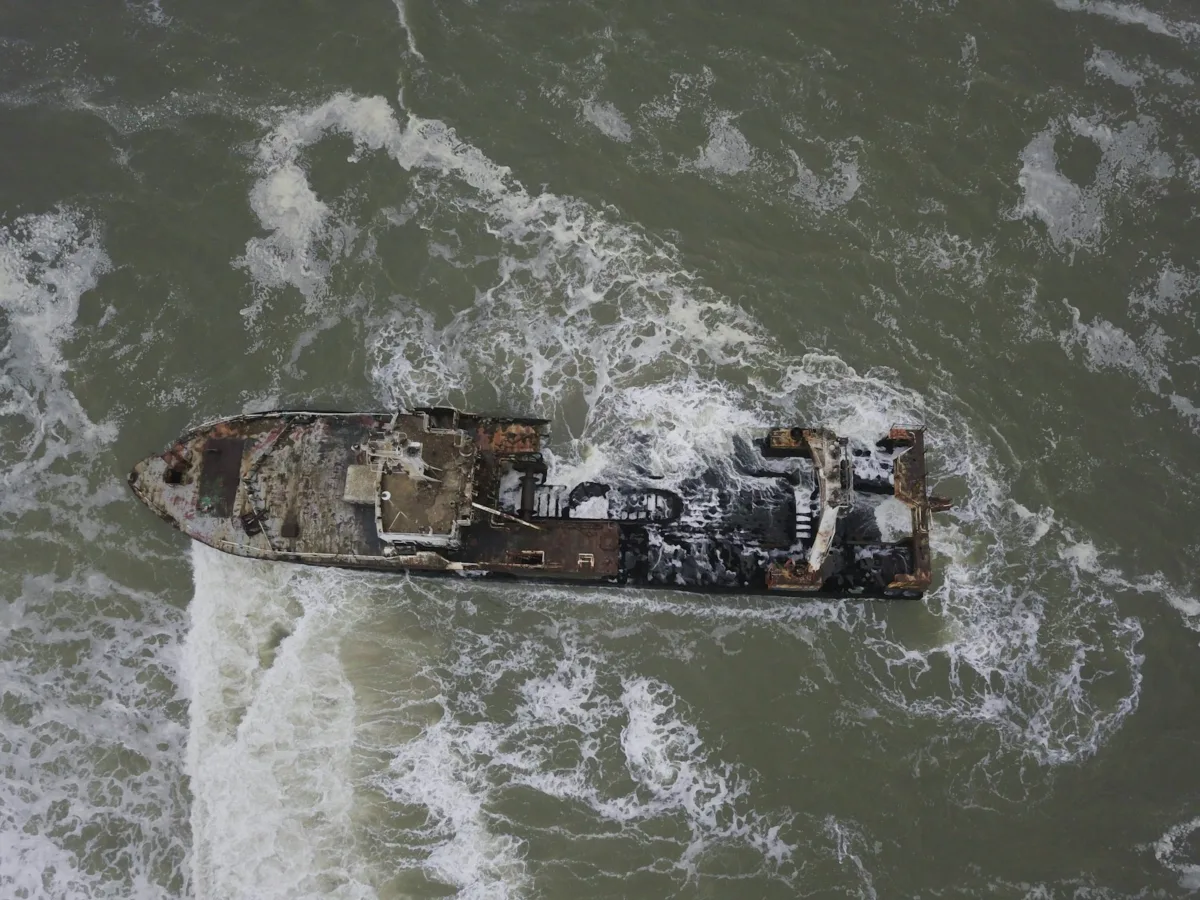
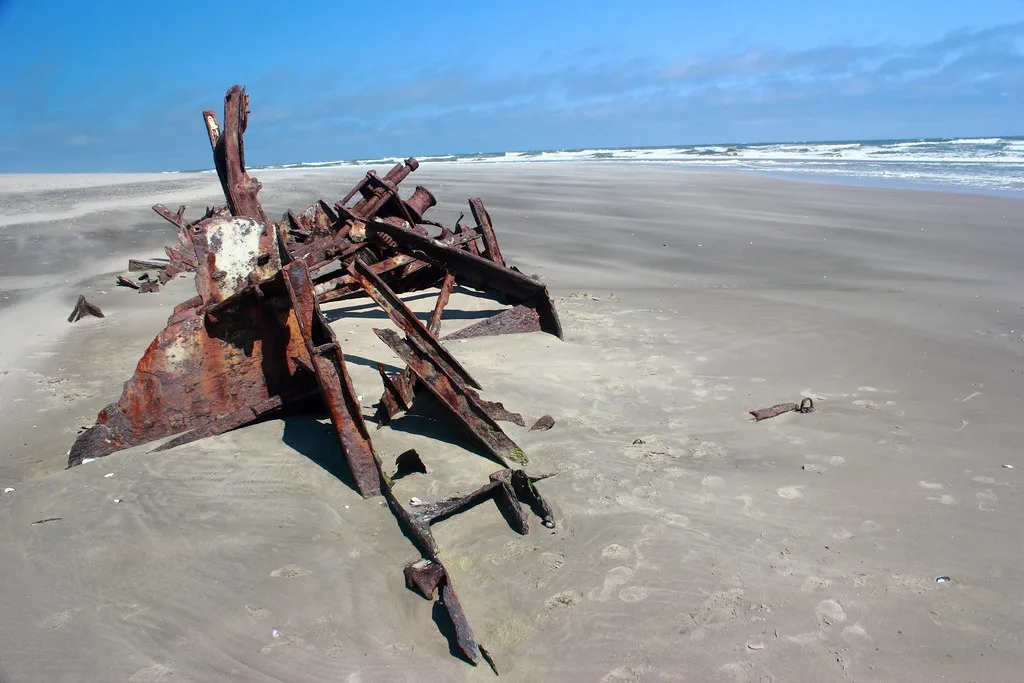
Why is the Skeleton Coast called that?
The name Skeleton Coast originates from two emblematic elements of the region:
- Shipwrecks: due to strong currents, thick fog and strong winds, many ships have run aground on this inhospitable coast. The most famous is undoubtedly the Dunedin Star, a British cargo ship that ran aground in 1942.
- Whale and animal bones: the region was once a key whaling and seal-breeding area. Even today, it’s not uncommon to see massive whale skulls and ribs strewn across the sand.
With its arid climate and rugged terrain, this coastline was long feared by sailors, who nicknamed it “the gates of hell”. Today, it is one of the most fascinating sites to explore, when you choose to take a trip to Namibia.
Where is the Skeleton Coast?
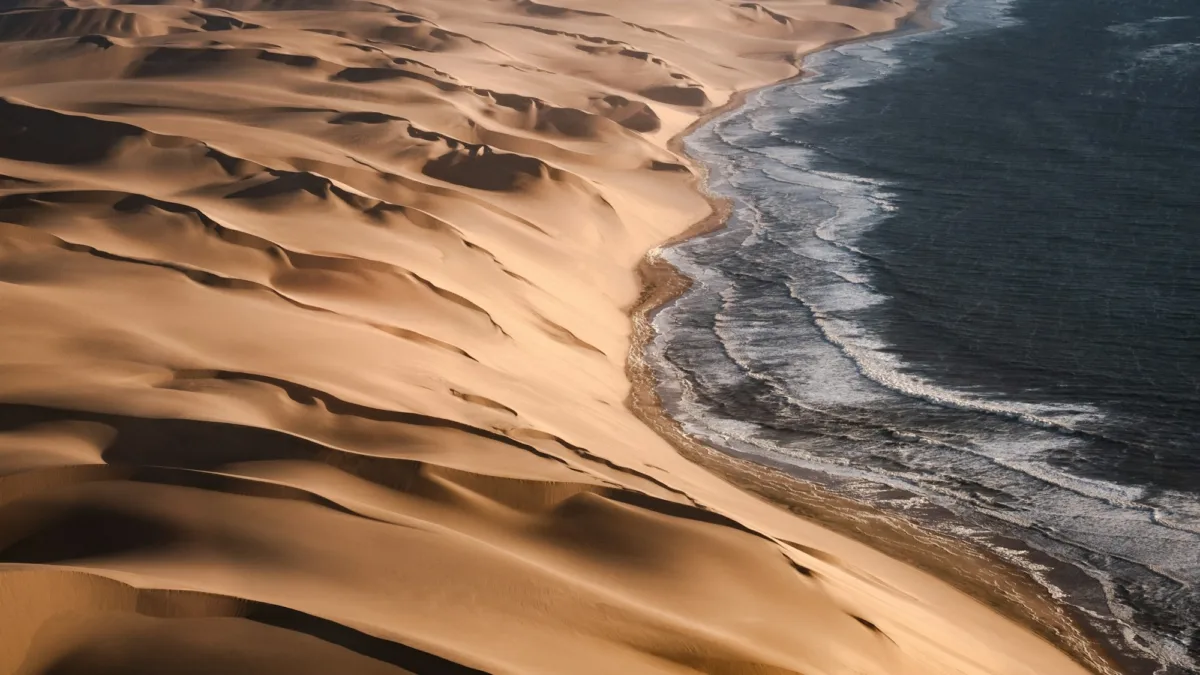
The Skeleton Coast stretches for some 500 km along Namibia’s north-western coast, between the Kunene River on the border with Angola and the Skeleton Coast National Park further south. This wild region marks the transition between the Atlantic Ocean and the Namib Desert, creating unique landscapes where the dunes seem to plunge straight into the sea.
The Skeleton Coast is within easy reach of Swakopmund and Walvis Bay, two must-see towns on the Namibian coast, renowned for their water sports and 4×4 adventures. It also lies on the route between Etosha National Park, one of Namibia’s best wildlife viewing areas, and the spectacular dunes of Sossusvlei, another of the country’s natural wonders.
What to see on the Skeleton Coast
1. Ghost shipwrecks
The remains of ancient shipwrecks are one of the Skeleton Coast’s star attractions. Among the most famous:
- The Zeila, a relatively recent wreck (2008), lies just 14 km south of Henties Bay. Easily accessible, it offers a spectacular backdrop for photographers.
- The South West Seal or Benguala Eagle, an older, partially silted-up wreck that bears witness to the tragic fate of many ships in this region.
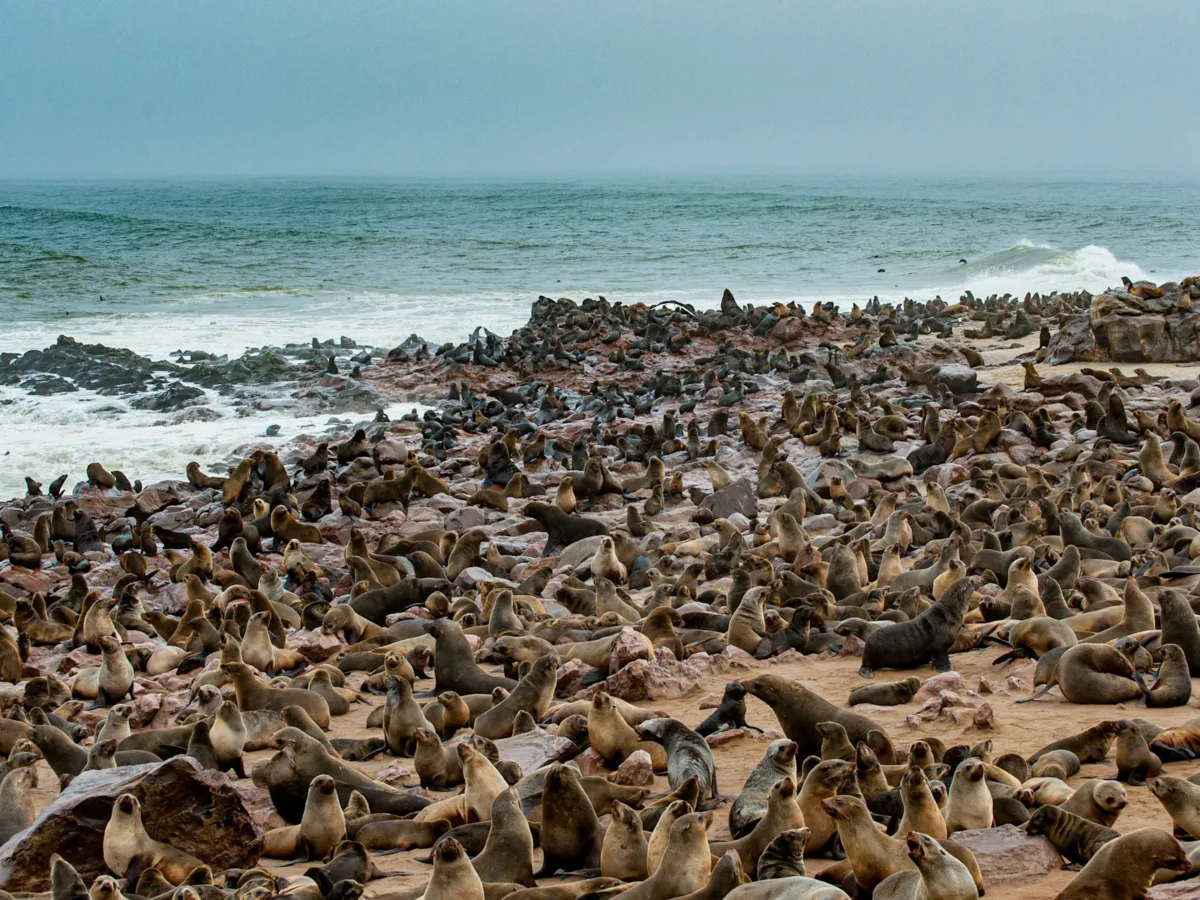
2. Cape Cross and its sea lion colony
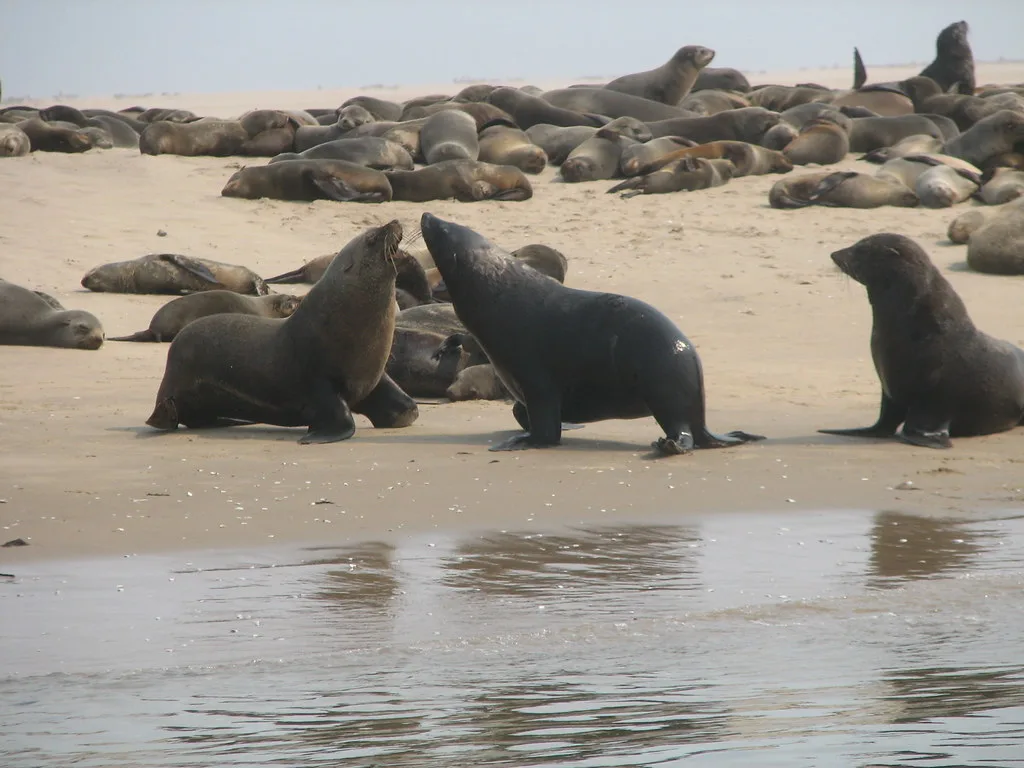
Around 120 km north of Swakopmund, Cape Cross is home to one of the world’s largest fur seal colonies. In December, at the height of the breeding season, over 100,000 sea lions live here, putting on an impressive, noisy and fragrant show!
You can observe them at close quarters from specially-designed platforms. During the birthing season (October to December), the site becomes even more fascinating, with thousands of baby sea lions playing in the water or searching for their mothers. It’s a must-see on your Namibia road trip.
✅ Don’t forget to pack binoculars.
3. The Namib desert and coastal dunes
The Skeleton Coast is where theAtlantic Ocean meets thevastness of the Namib Desert. Some of the dunes literally die in the waves, creating unique landscapes. In some places, it’s possible to take a 4×4 or quad bike tour, notably around the Terrace Bay area.
4. The southern gateway to Skeleton Coast National Park
As you enter Skeleton Coast National Park, you’ll be greeted by an imposing doorway adorned with whale skulls and wild beast jaws. An entrance that sets the tone for the exploration to come!
Inside the park, you’ll discover lunar landscapes, dry riverbeds and isolated campsites for those who want to extend their adventure.
Do I need a permit to enter the Skeleton Coast?
Yes, access to Skeleton Coast National Park is regulated and requires an entry permit. If you wish to explore the southern part of the park, the part with the most to see, between the Ugab Gate entrance and Terrace Bay, a permit can easily be obtained at the park entrance or at the Namibia Wildlife Resorts (NWR) offices. This section is accessible without a guide, provided you have a 4×4, which is essential for driving on the sandy tracks.
North of Terrace Bay, however, access becomes much more restricted. This area is classified as a protected zone and can only be accessed as part of an organized trip with a licensed operator.
Why visit the Skeleton Coast?
The Skeleton Coast is an extraordinary destination, where the harsh climate has shaped some striking landscapes. Between mysterious shipwrecks, golden dunes, sea lion colonies and wildlife, this hostile coastline offers a unique experience in Namibia.
Accessible from Swakopmund or via a 4×4 expedition, it’s a perfect stopover for adventurers in search of uncharted landscapes and a sense of total isolation.

0 commentaires