



We’re in the midst of preparing for our April vacation and the many long weekends in May, and like many of you, we’re looking for a sunny, easy-to-reach destination perfect for a few days off.
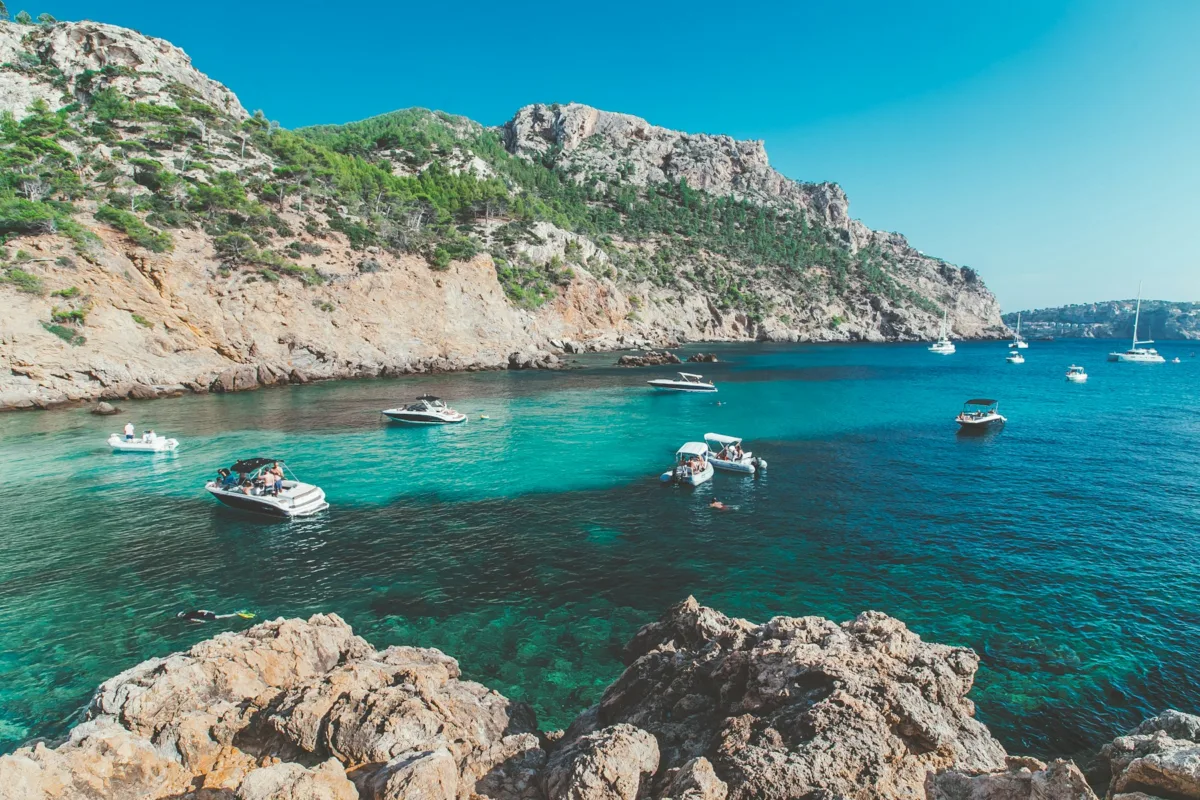
And of course, Palma de Mallorca comes very quickly down the list. It’s one of the most accessible islands from France, whether for an extended weekend, a road trip or even a first discovery of the Balearics.
As we spent a lot of time looking at the different options, we’ve taken note of everything and put together a complete guide on how to get to Palma de Mallorca from France by plane and without, with advantages, times and tips.
By plane: with direct flights
Unsurprisingly, the fastest way to reach Palma is by air. From several major French cities, including Paris, Lyon, Marseille, Nantes, Nice, Toulouse and Montpellier, you’ll find direct flights to Palma de Mallorca Airport (PMI). This is the island’s only international airport, located 9 km east of Palma.
- From Paris: approx. 2h to 2h20 flight time
- From Lyon, Nantes, Marseille, Toulouse: often between 1h45 and 2h30
- From Nice: around 1h30
Prices vary enormously depending on the season, but if you book early, you can regularly find tickets for around €40-60 one-way on low-cost airlines, with one carry-on bag.
➡️ A little tip for saving money on your tickets during vacation periods or bank holidays: leaving a day earlier or returning a day later often results in impressively lower fares… even if this sometimes means taking an extra day off work.
| Benefits | Disadvantages |
| Fast, simple, perfect for a short stay. | Prices can rise during May bank holidays. Friday evening flights are often the most expensive. |
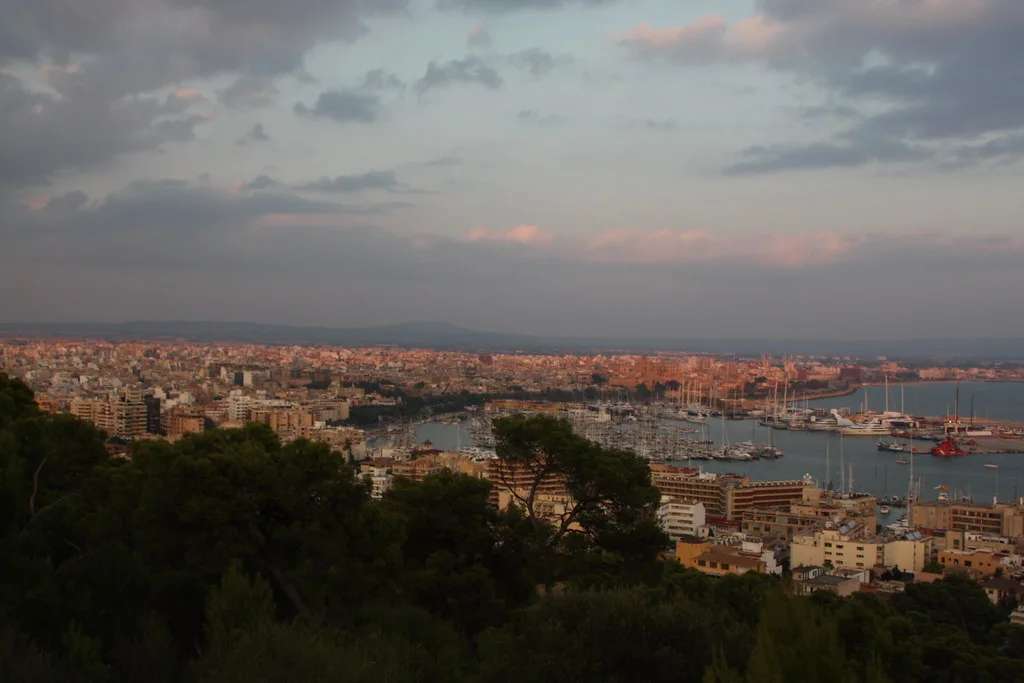
Car + ferry: getting to Palma de Mallorca without flying
We’re also considering the option of taking our car with a roof tent, so we’re looking seriously at ways of traveling this way.
If, like us, you prefer to bring your own vehicle or turn the trip into a road trip, the ferry option from the south of France works really well.
We loved taking ferries with our motorhome during our tour of Southern Europe and our road trip in Scandinavia. It’s a way of traveling that offers enormous freedom, is very easy with children and, sometimes, can even be more economical than other options.
Possible departure ports (prices are similar):
- Toulon → Alcúdia (north of Majorca)
- Sète → Palma or Alcúdia
Crossings last between 10 and 20 hours, depending on the company and timetable.
Perfect if you like the idea of traveling “slowly”, with a short night in the cabin and the impression of a real change of scenery when you wake up in port.
➡️ For 2 adults, 2 children + 1 car: approx. 200€ one way. You also need to add the cost of the journey to Sete or Toulon, for example for us from the Ile d’Oléron it’s around €100 one way (petrol + toll).
| Benefits | Disadvantages |
| Ideal for families no baggage limit total freedom once on the island | longer sometimes more expensive if you take a cabin |
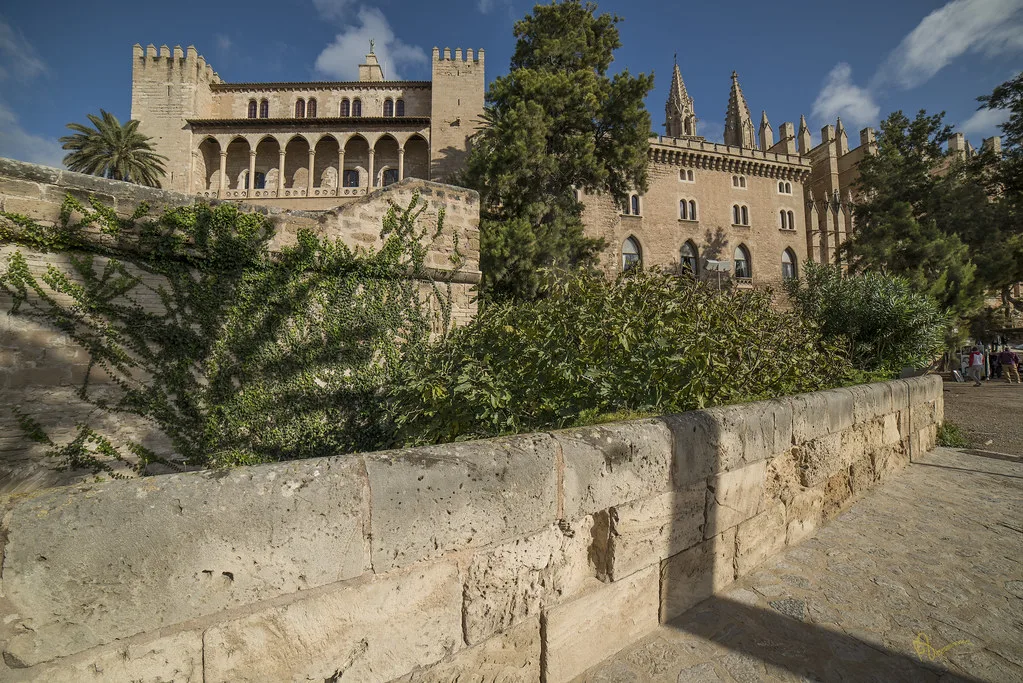
A cruise: an original way to get to Palma
You wouldn’t necessarily think of it, but many Mediterranean cruises include Palma in their itinerary, and it can be a great way to mix travel + discovery + relaxation. As an added bonus, you’ll arrive directly at Palma harbor, with an incredible view of the cathedral overlooking the bay.
And for those who want to keep their budget under control while enjoying the comfort of a large ship, you can be sure that costa croisières offers an adapted price rangeespecially in spring. It’s an interesting option for combining several Mediterranean ports of call, while enjoying beautiful days in Palma.
| Benefits | Disadvantages |
| pack your suitcase once sunsets over the Mediterranean activities for everyone | less freedom than a classic holiday sometimes short stopover times |
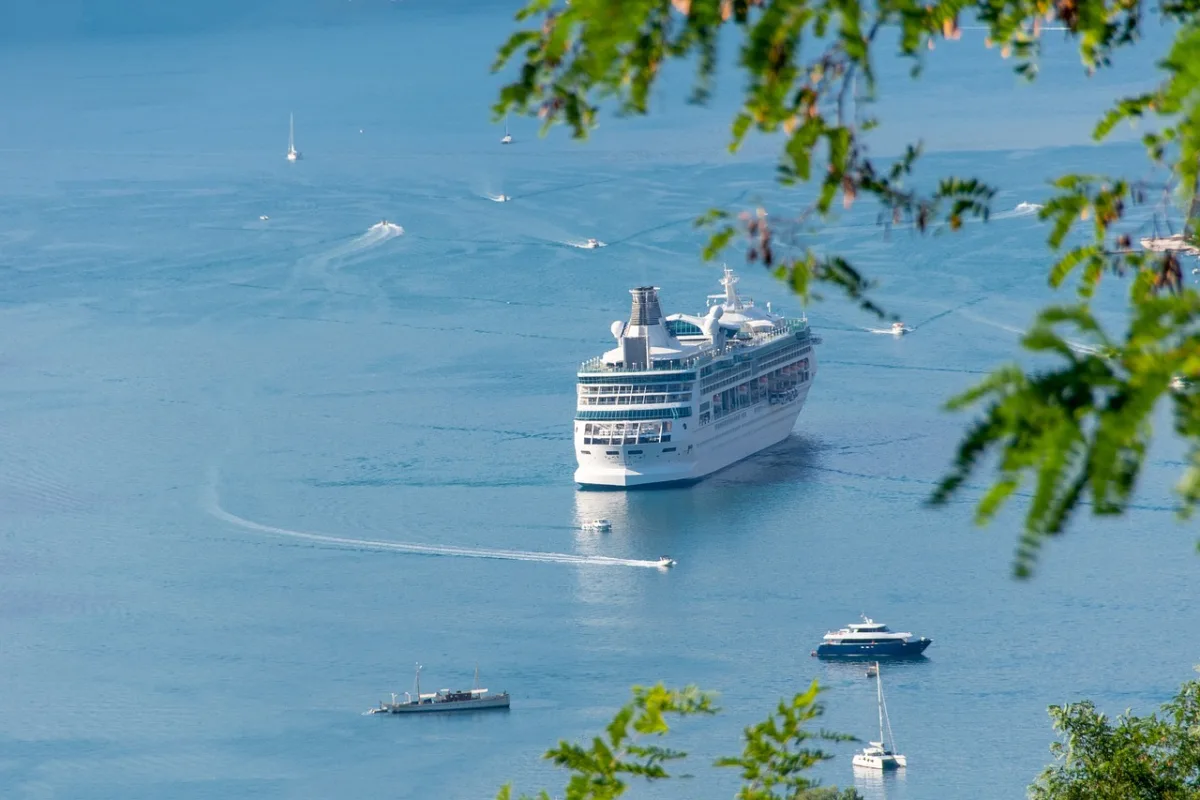
Practical advice before you leave for Palma
Whether you’re going by plane, ferry or cruise, here are a few things to keep in mind:
- Documents: valid identity card = sufficient
- Local transport: easy bus and cab service from port and airport
- Budget: Palma can be more expensive in high season, especially for accommodation.
- Activities: as some go very quickly in high season, it’s best to book them in advance on platforms such as GetYourGuide, especially for cathedral visits, so you don’t have to worry once you’re there.
We love visiting islands, of course, as we live on one ourselves all year round, so as soon as we can cross by ferry, we go for it. That’s how we discovered such incredible places as Senja Island and the Lofoten Islands, two of our favorites on our Scandinavian road trip.

0 commentaires